



For decades, the plastics recycling industry has focused on improving bottle recycling. Deposit return systems, recyclability design standards, and dedicated sorting technologies have helped PET bottle recycling evolve into a mature, large-scale, and globally established infrastructure.
PET tray recycling, however, has not received the same level of attention. Today, this gap is becoming a structural challenge for the recycling industry.
Food trays, clamshell packaging, produce containers, and blister packs are all thermoformed products that move every day between supermarkets and households. Yet, despite being made from the same polymer as PET bottles, these products present very different processing characteristics throughout the recycling process.
When baled, trays can form highly compressed, dense blocks. Their surfaces may carry large adhesive labels, while some thermoformed materials are relatively brittle. In addition, the incoming feedstock can contain a complex mixture of materials.
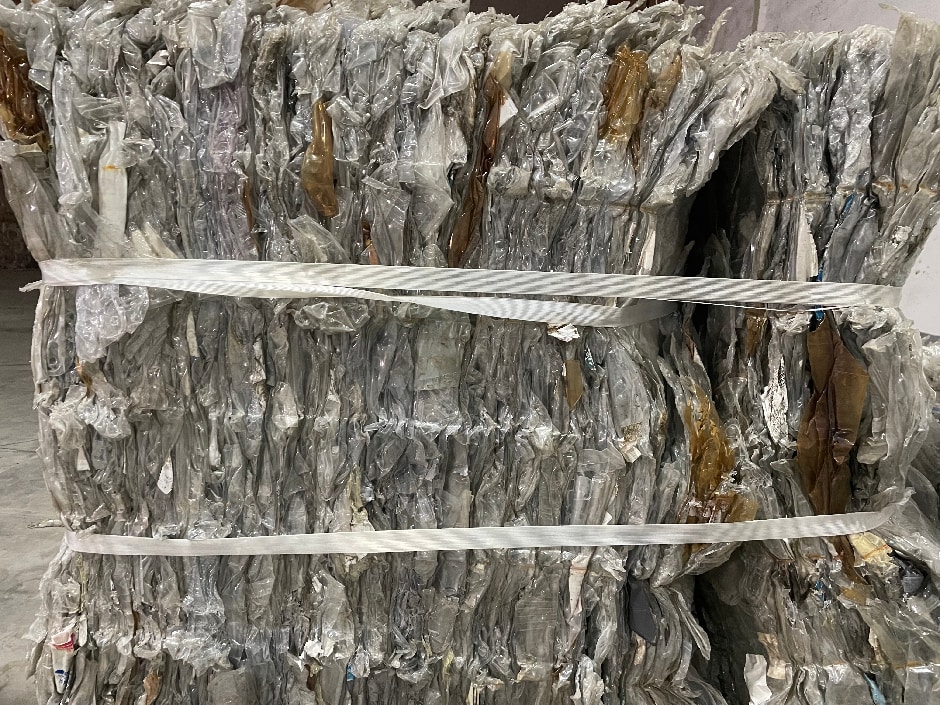
These characteristics mean that PET trays cannot simply be processed through conventional PET bottle recycling lines. Instead, they require specialized solutions for bale opening, washing, sorting, and low-loss material handling.
What Are PET Trays and Why Do They Matter?
PET thermoformed packaging is manufactured by heating PET sheet and forming it into rigid containers. Common applications include food trays, clamshell packaging, produce containers, and other types of thermoformed packaging.
PET offers excellent optical clarity, allowing consumers to see the packaged product, as well as strong resistance to oil, moisture, and oxygen. Combined with its lightweight yet durable properties, PET has become widely used in food and consumer packaging.
These characteristics make PET an ideal material for protecting perishable products and extending shelf life. The challenge, however, has always been what happens to the material at the end of its useful life.
The Gap Between Bottle Recycling and Tray Recycling
PET bottle recycling has benefited from decades of development, resulting in relatively mature collection, sorting, and washing systems. The outcome is a global, scalable recycling infrastructure capable of consistently producing high-quality recycled PET (rPET).
PET tray recycling has not enjoyed the same advantages.
Trays collected through mixed curbside recycling streams arrive at material recovery facilities (MRFs) in a wide variety of shapes and sizes. They may also be contaminated with food residues, large multi-material labels, and complex adhesives.
Many MRFs lack the dedicated sorting and processing infrastructure required to handle these materials efficiently.
As a result, PET trays may end up in landfill or incineration. Even when they are recycled, they are often downcycled into lower-value applications such as synthetic fibers or plastic strapping.
This represents a significant loss of material value—and a missed opportunity to retain PET within a true circular system.
Why Is “Tray-to-Tray” Recycling the Industry’s Next Priority?
Today, many tray manufacturers do not obtain recycled content directly from recycled trays. Instead, they purchase bottle-grade rPET flakes, process them into thermoformed sheets, and manufacture new trays.
While this incorporates recycled content, it does not create a true closed-loop recycling system for trays.
As the beverage industry moves aggressively toward mandatory PCR targets, brands are increasingly competing for bottle-grade rPET and are willing to pay a premium to bring recycled material back into the bottle-to-bottle loop.
This creates a growing risk of feedstock shortages and price volatility for thermoformed packaging manufacturers.
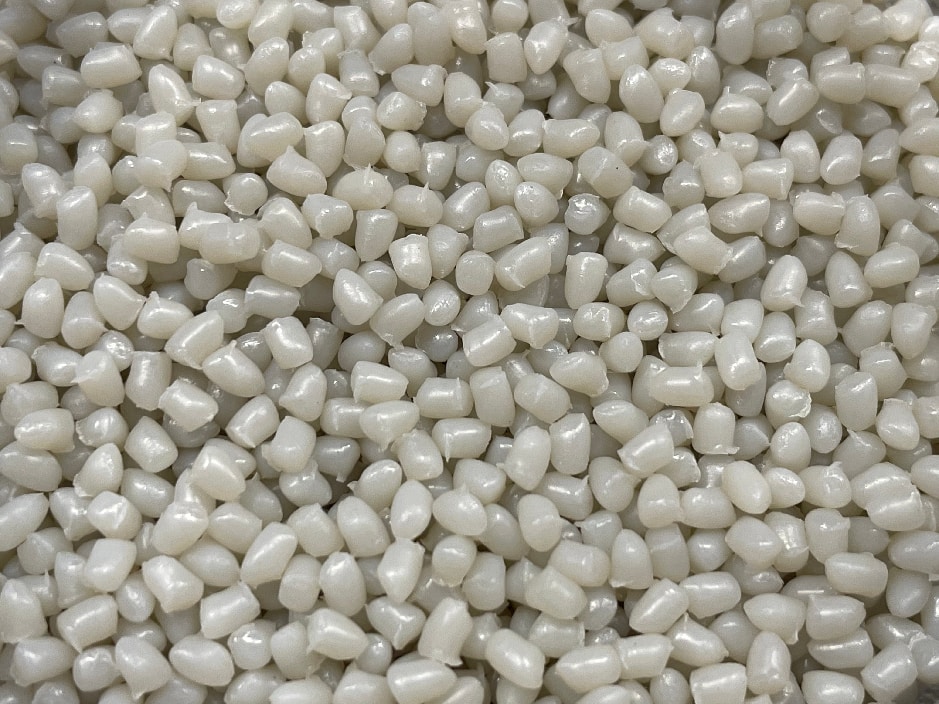
One of the most effective long-term solutions is therefore to establish a dedicated tray-to-tray recycling loop: collect used trays, process them through a specialized recycling system, and convert them back into high-quality recycled PET suitable for manufacturing new food trays.
Key Challenges in PET Tray Recycling
Although the concept sounds straightforward, implementation is far from simple.
Recycling waste thermoformed packaging through a conventional PET bottle washing line can result in low throughput, inconsistent quality, and significant operational challenges.
The main reasons include:
1. Highly Compressed Bales
After collection, transportation, and baling, PET trays can form highly compressed, dense blocks.
If the material is not properly loosened and dispersed at the front end of the process, it can negatively affect downstream sorting, washing, and material processing.
2. Large Adhesive Labels
PET trays often carry relatively large adhesive labels. Different adhesives behave differently during recycling and can vary significantly in their resistance to removal.
Effective processing therefore requires carefully controlled thermal washing and mechanical action to address various types of adhesive contamination.
3. Material Brittleness and Fines Generation
Some thermoformed PET and PP materials are relatively brittle.
Conventional dewatering equipment operating for extended periods can generate excessive fines, resulting in material loss and reduced recovery efficiency.
4. Complex Feedstock Composition
PET tray feedstock can contain a mixture of different polymers, colors, labels, films, and other contaminants.
Advanced automated sorting and air separation technologies are therefore required to improve the purity and recovery rate of the recycled material.
For these reasons, PET tray recycling is not simply a matter of replicating a conventional PET bottle washing process. It requires a purpose-designed process based on the specific characteristics of thermoformed packaging.
Is Your Facility Ready to Process PET Trays? These challenges are real—but they can be addressed with the right equipment and process design.
BoReTech has developed a dedicated PET/PP tray recycling solution designed to overcome the key challenges associated with thermoformed packaging.
BoReTech PET Tray Recycling Solution
To address challenges such as highly compressed bales, large adhesive labels, material brittleness, and complex feedstock composition, BoReTech has developed a specialized tray washing system for PET and PP trays and food containers.
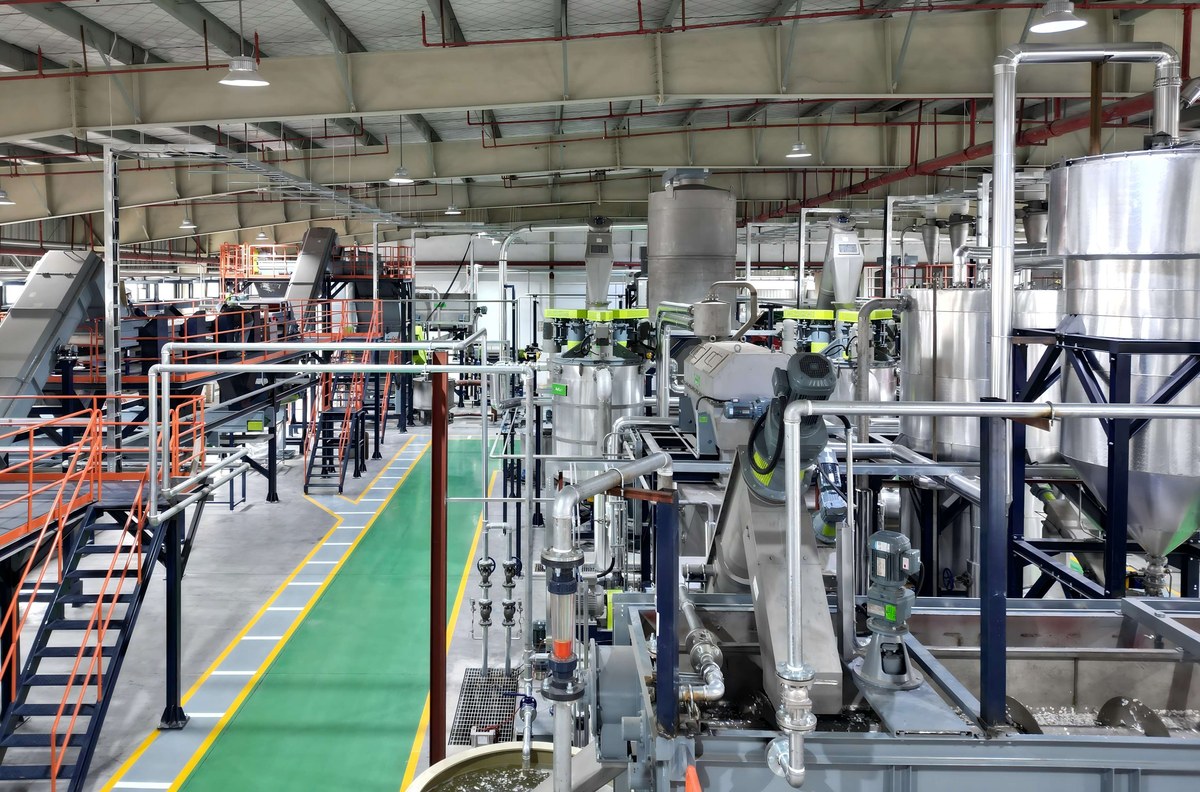
The system can incorporate a combination of:
- Debaling and pre-washing
- Automated sorting
- Size reduction and screening
- Intensive hot washing
- High-speed rinsing
- Flake sorting and collection
The process configuration can also be customized according to the specific characteristics and contamination profile of each feedstock.
Debaling Technology: Effectively Loosening Compacted Material
For highly compressed tray bales, BoReTech uses a combination of mechanical and thermal processing to effectively loosen and disperse densely packed material while helping preserve material integrity.
During the debaling process, continuous water flow provides initial rinsing and removes surface contaminants.
An integrated water circulation system can also separate contaminants from the washing water, enabling water reuse and helping reduce overall water consumption while improving the effectiveness of front-end cleaning.
Intensive Hot Washing: Enhanced Adhesive and Odor Removal
To address adhesive contamination on tray surfaces, BoReTech employs Intensive hot washing technology with adjustable washing time and intensity to accommodate different feedstock conditions.
Controlled mechanical friction helps remove various types of adhesives, including water-soluble adhesives, hot-melt adhesives, and pressure-sensitive adhesives.
The hot-washing process can also help reduce odors associated with post-consumer packaging.
In addition, the system incorporates detergent filtration and recovery technology to help maintain consistent washing performance across different batches of recycled PET tray flakes.
High-Speed Rinsing: Further Reducing Surface Residues
After hot washing, PET material enters a high-speed rinsing stage. High-intensity rinsing and an extended flotation washing path help remove residual detergent and contaminants from the surface of the material.
An advanced filtration system further supports process control, helping maintain a stable level of cleanliness in the final rinsed material.
Low-Loss Dewatering: Minimizing Fines and Material Loss
To address fines generation during dewatering of brittle PET and PP trays, BoReTech has developed a low-loss dewatering process.
The dewatering residence time can be adjusted according to the characteristics of different materials, including PET and PP.
This allows the process to achieve the required moisture reduction while minimizing fines generation and material loss.
Automated Sorting and Label Air Separation: Improving Material Purity
Because post-consumer tray feedstock can contain a complex mixture of materials, the system can integrate automated optical sorting equipment.
By identifying material types and color characteristics, automated sorting helps improve both recycled material purity and overall recovery rates.
At the final flake-sorting and collection stage, the Mega Aspirator uses a multi-channel air separation configuration operating in parallel, further removing colored flakes, foreign materials, and residual film labels from the PET stream, supporting efficient separation of labels and other unwanted materials.
The Future of PET Tray Recycling
As thermoformed packaging continues to expand, recycling PET trays, food containers, and similar products will become an increasingly important part of the circular plastics economy.
What has been missing until now is the technology capable of making PET tray recycling both economically viable and technically reliable at scale.
That gap is narrowing.
For recycling facilities willing to invest in dedicated processing systems, the opportunity is significant: establish closed-loop recycling, support regulatory and recycled-content targets, and reduce dependence on the price and availability of bottle-grade rPET.
The question is no longer whether the industry will move toward tray-to-tray recycling. The question is which facilities will be ready when the opportunity arrives—and which will be left competing for increasingly constrained recycled feedstock.
Is Your Recycling Operation Ready for the Next Stage? BoReTech's PET/PP tray recycling system is specifically engineered to address the challenges of thermoformed packaging—from highly compressed bales and adhesive contamination to material loss and high-purity recycled output.
Talk to BoReTech's engineers today to explore a customized recycling solution for your facility.