


Plastic Recycling Project Planning in Africa: Feedstock Assessment, Equipment Selection and Customized Solutions
2026-11-09

As plastic consumption continues to grow, Africa's plastic recycling industry is gaining new opportunities for development. From PET beverage bottles and rigid plastics such as HDPE and PP to flexible plastics such as LDPE, different types of plastic waste offer diverse opportunities for local recycling and resource recovery.
For investors planning to enter the African market, establishing a plastic recycling plant involves more than purchasing equipment. It also requires careful consideration of feedstock supply, processing capacity, product quality requirements, facility conditions, and ongoing operational needs. Selecting the right recycling process and configuring a suitable production line are key decisions during the project planning stage.
As a company specializing in waste plastic recycling technologies, equipment, and engineering solutions, BoReTech draws on its understanding of different feedstock characteristics and practical project experience to provide solutions for PET bottle recycling, rigid plastic recycling, and flexible plastic recycling. Our goal is to help customers plan plastic recycling projects that meet their specific requirements.
1. The Plastic Recycling Market in Africa: Project Needs Across Different Countries
Africa has a broad plastic consumption market. PET beverage bottles, plastic packaging, and everyday plastic products are widely used across the continent. As plastic consumption increases, the collection, sorting, and recycling of plastic waste are also receiving growing attention.
For companies planning to invest in plastic recycling projects in Africa, several factors need to be considered during project planning:
- 1.Feedstock Types and Supply: PET bottles, HDPE, PP, and flexible plastics differ in their material properties, contamination levels, and processing requirements. The recycling solution should be selected according to the actual feedstock.
- 2.Production Scale and Processing Capacity: The required processing capacity should be determined based on local feedstock availability, market demand, and investment plans.
- 3.Equipment Configuration and Process Design: Each stage, from feedstock pre-treatment and washing to separation, dewatering, drying, or pelletizing, needs to be properly integrated.
- 4.Factory Facilities and Infrastructure: Factory space, power supply, water supply and drainage conditions, and equipment installation requirements should be assessed in advance.
- 5.Project Implementation and Technical Support: For new plants, process design, equipment installation, commissioning, and operator training also affect the project timeline.
Therefore, the African market needs more than individual plastic recycling machines. It requires complete production line solutions that match local feedstock conditions, project scale, and production requirements.
2. Recycling Processes and Equipment for Different Types of Plastic Waste
Different plastic materials have different physical properties and impurity compositions, which means their recycling processes also vary. Before planning a plastic recycling plant, it is important to identify the target feedstock and the intended end-product applications.
2.1 PET Bottle Recycling
Post-consumer PET beverage bottles can be processed into PET flakes, which can then be used in applications such as fiber production, sheet manufacturing, and food-grade rPET.
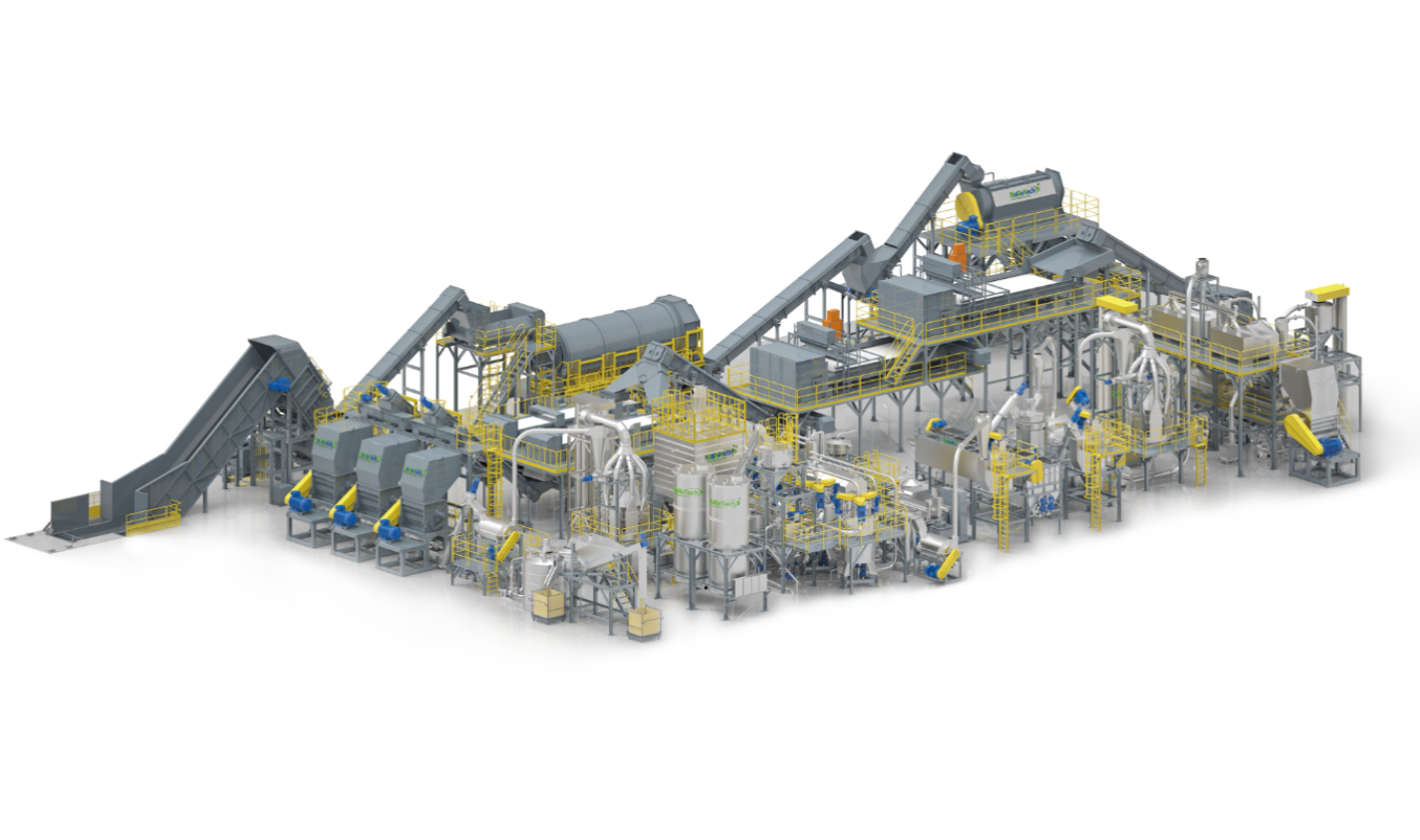
△BoReTech's PET Bottle Washing Line
For projects with higher product quality requirements, downstream processes such as pelletizing and Solid State Polycondensation (SSP) can also be incorporated according to the intended end application.
During PET bottle recycling, the separation of labels, caps, rings, adhesives, and other impurities affects the cleanliness and quality of the final flakes. Proper process design and equipment configuration help improve impurity removal, enabling recycled PET to meet the requirements of different downstream applications.
2.2 HDPE / PP Rigid Plastic Recycling
HDPE and PP are commonly found in plastic drums, household chemical containers, crates, household products, and other injection-molded items. During recycling, the feedstock may contain labels, oil, sand, and other contaminants.
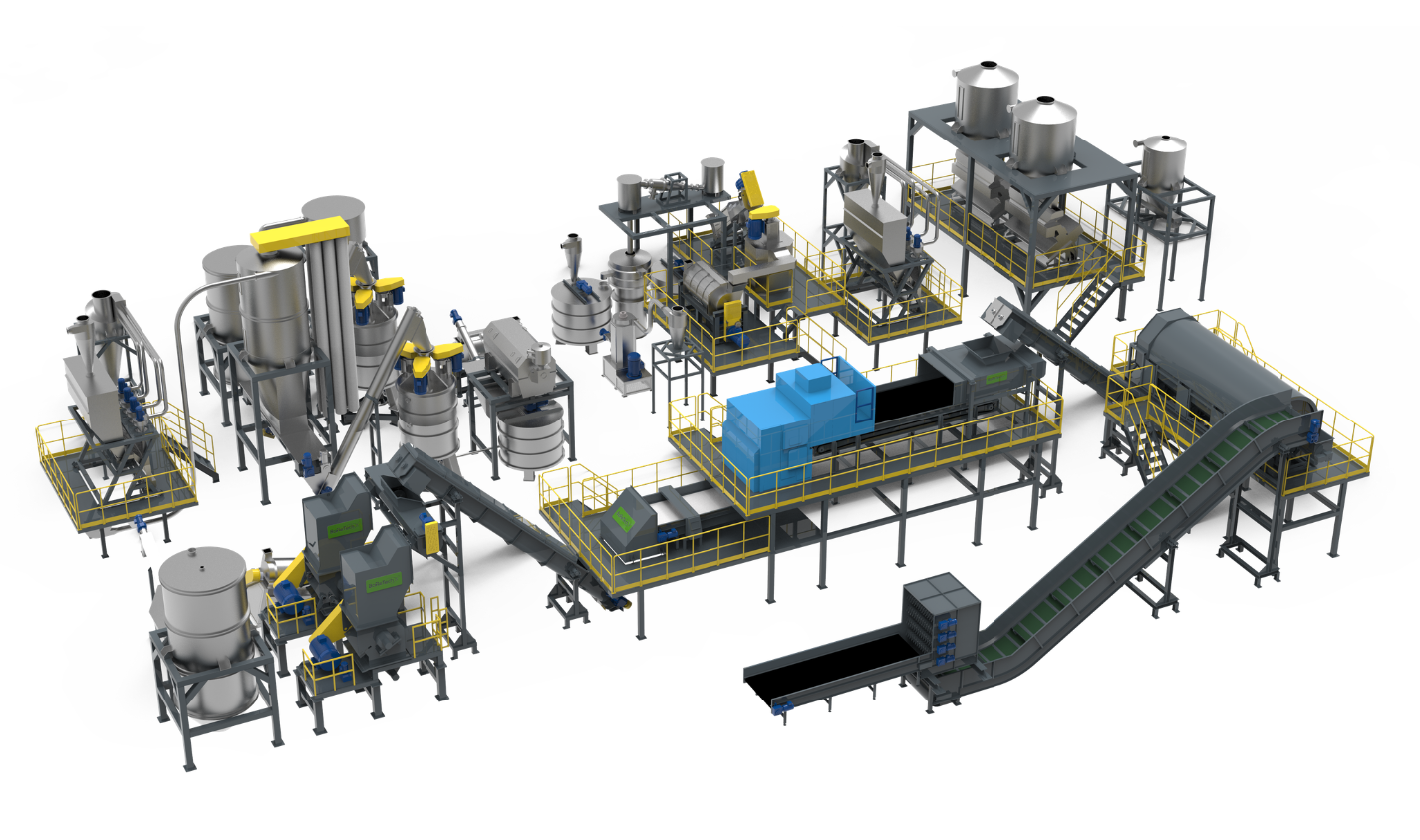
△BoReTech's HDPE / PP Rigid Plastic Washing Line
Depending on the contamination level of the feedstock and the required quality of the final product, crushing, washing, separation, and pelletizing equipment need to be configured accordingly. For feedstock with complex sources or heavier contamination, the pre-treatment and washing stages may need to be optimized based on actual conditions to meet the cleanliness and quality requirements of the recycled material.
2.3 LDPE / PP Flexible Plastic Recycling
Flexible plastics mainly include waste films, packaging bags, and other flexible plastic products. These materials are prone to tangling and accumulation and may contain sand, organic matter, and other contaminants. Their characteristics place different demands on conveying, size reduction, and washing equipment.
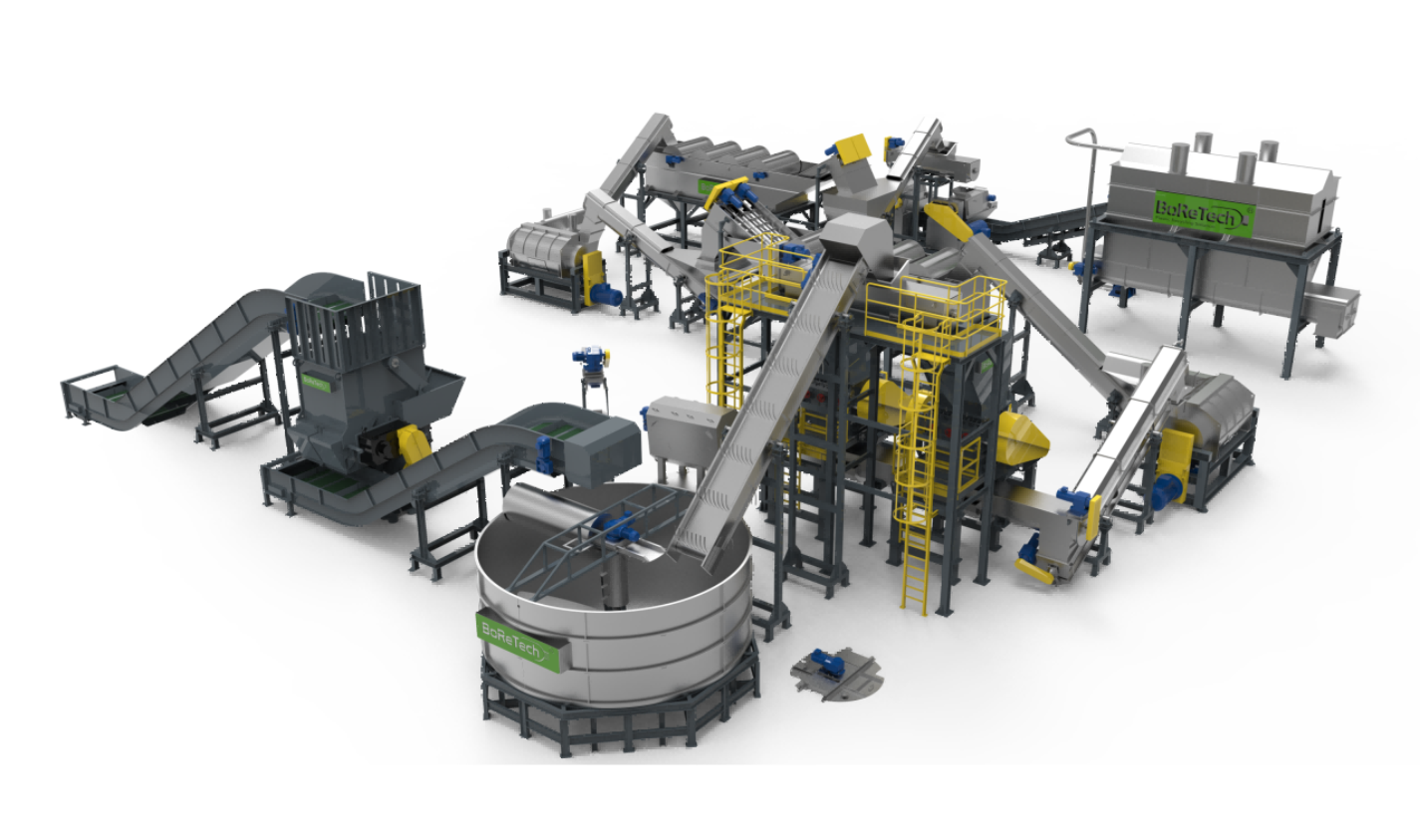
△BoReTech's LDPE / PP Flexible Plastic Washing Line
For flexible plastic recycling projects, feedstock moisture content, contamination levels, and film characteristics are important factors to consider. A properly configured equipment combination can improve material processing performance and support continuous production line operation.
3. How do I begin and choose the right plastic recycling equipment for an Africa project?
For investors planning to establish a plastic recycling plant in Africa, equipment selection should be based on the overall project requirements rather than equipment prices alone. The following factors deserve particular attention.
3.1 Identify Feedstock Types and Supply Conditions
Feedstock is the foundation of recycling process design and equipment configuration.
At the initial planning stage, it is important to understand the feedstock type, source, supply volume, contamination level, and material composition. For example, although PET beverage bottles and PET trays are both made of PET, they differ significantly in material form, compression level, and impurity composition. They therefore require corresponding processing approaches.
3.2 Determine Processing Capacity Based on Actual Requirements
The processing capacity of a recycling line should match local feedstock availability and downstream market demand.
When determining the production line capacity, investors should consider feedstock supply stability, expected production demand, product sales channels, and project investment plans. It is also important to clarify how processing capacity is calculated, including hourly feedstock input, daily operating hours, and expected annual production volume.
BoReTech can assess the appropriate process flow and equipment configuration based on the feedstock information, target processing capacity, and product requirements provided by customers.
3.3 Configure the Complete Production Line Properly
A plastic recycling plant typically involves multiple processing stages. The capacity of individual machines, material conveying methods, and connections between processes all affect the operating efficiency of the entire production line.
If the equipment is not properly configured, even machines with good individual performance may result in material accumulation, capacity mismatches, or production interruptions. Therefore, complete production line design should take into account feedstock characteristics, target capacity, and final product requirements.
3.4 Consider Project Investment and Operational Requirements
Establishing a plastic recycling plant involves more than equipment procurement. Other factors also need to be considered during project planning:
- 1.Equipment and Process Configuration: Determine the required equipment and process modules according to feedstock type, contamination level, and product quality requirements.
- 2.Factory Facilities and Infrastructure: Consider factory space, equipment layout, power supply, water supply, and drainage conditions.
- 3.Energy and Water Resources: Assess electricity consumption, water requirements, and supporting infrastructure based on the production line configuration and local conditions.
- 4.Spare Parts and Maintenance: Understand equipment wear parts, maintenance requirements, and spare parts needs in advance.
- 5.Logistics and Project Implementation: Consider equipment transportation, customs clearance at the destination port, on-site installation and commissioning, and operator training.
As feedstock conditions, equipment configurations, and construction environments vary from project to project, specific investment requirements need to be evaluated based on actual project conditions. It is advisable to communicate with the equipment supplier at an early stage to clarify production requirements and supporting conditions before developing the project plan.
3.5 Does BoReTech provide installation and after-sales support?
For customers establishing a new plastic recycling plant, equipment delivery is only one part of project implementation. Process design, production line layout, installation, commissioning, and operator training can also affect the project timeline.
When selecting an equipment supplier, customers should look beyond equipment performance and quotations. It is also important to understand the supplier's engineering experience, project delivery capabilities, and arrangements for ongoing technical support.
4. Has BoReTech delivered plastic recycling projects in Africa?
For investors planning to establish plastic recycling plants in Africa, actual project experience is an important reference when evaluating equipment suppliers. BoReTech has delivered several recycling and related engineering projects in the African market, gaining practical experience across different application scenarios.
4.1 Nigeria: 3 t/h PET Bottle Washing Line
BoReTech supplied a PET bottle recycling washing line with a processing capacity of 3 t/h to Sonnex in Nigeria. The project provides equipment support for local PET bottle recycling and demonstrates BoReTech's project experience in the Nigerian PET bottle recycling sector.
https://www.bo-re-tech.com/en/article/PET-Bottle-to-Bottle-Recycling-Line-in-Nigeria.html
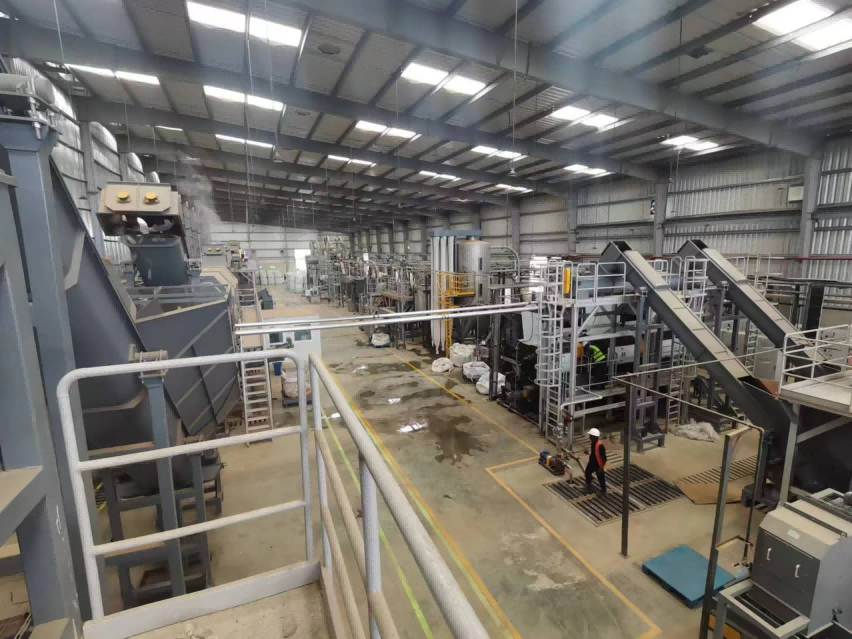
△BoReTech's 3 t/h PET Bottle Washing Line in Nigeria
4.2 Zambia: 3 t/h PET Bottle Washing Line with Conventional Hot Washing
In Zambia, BoReTech supplied a PET bottle washing line with a processing capacity of 3 t/h, using a conventional hot washing process. The project demonstrates BoReTech's ability to provide washing processes and complete production line equipment for PET bottle recycling applications.
https://www.bo-re-tech.com/en/article/PET-Bottle-Washing-Line-in-Zambia.html
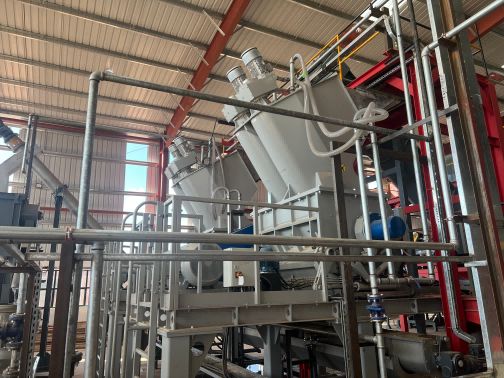
△BoReTech's 3 t/h PET Bottle Washing Line in Zambia
4.3 Egypt: 4,000 kg/h PET Tray Recycling Washing Project
In addition to PET bottle recycling, BoReTech also provided a PET tray recycling washing solution with a processing capacity of 4,000 kg/h for ECC GreenTech in Egypt.
PET trays differ from conventional PET bottles in material form and recycling challenges. High compression density, a high content of adhesive labels, material brittleness, and complex feedstock composition all place different demands on pre-treatment, size reduction, and washing processes. Based on the characteristics of PET tray feedstock, BoReTech configured the corresponding processes and equipment to meet the recycling requirements of this type of thermoformed PET packaging.
https://www.bo-re-tech.com/en/article/news260717.html
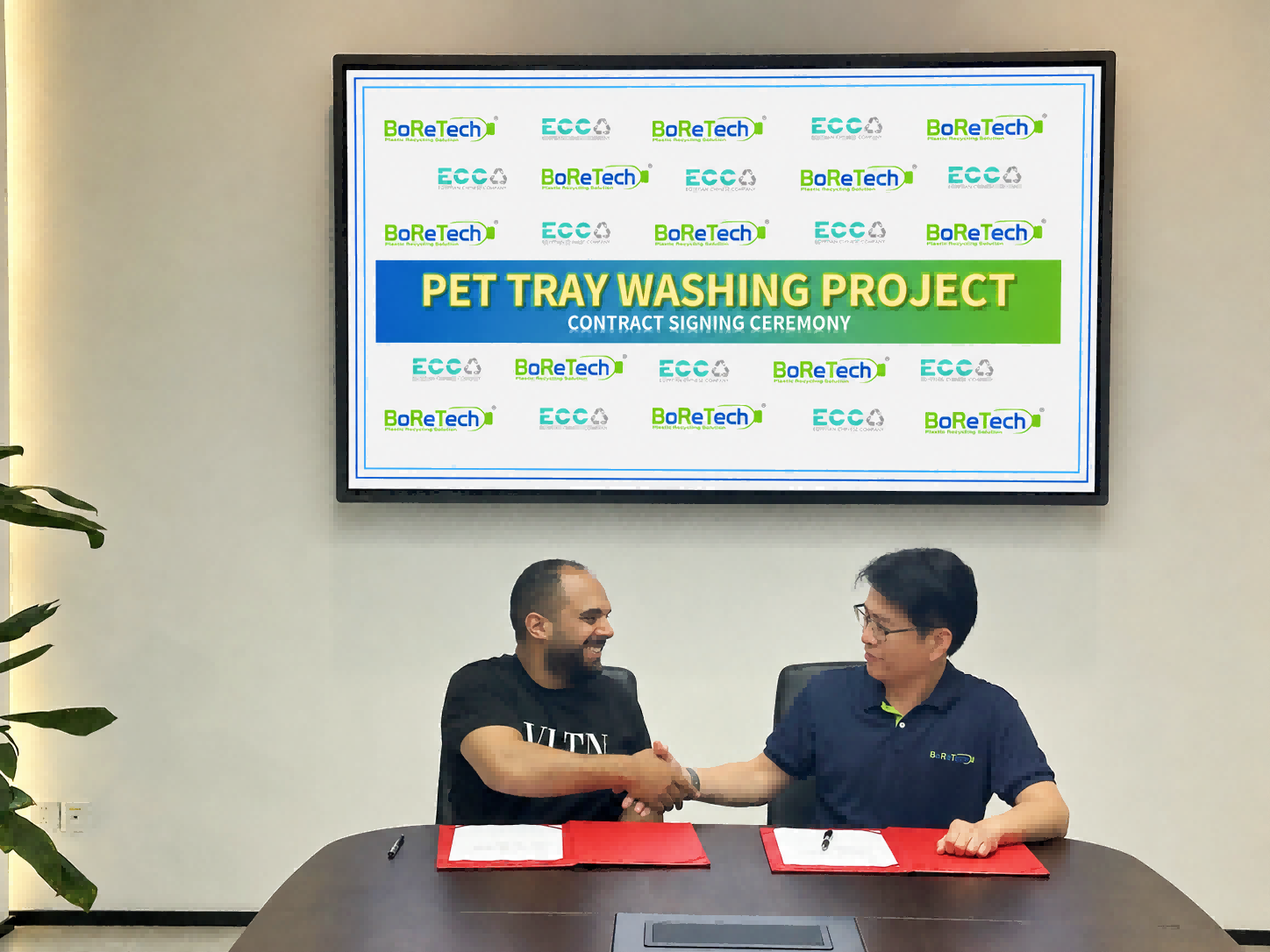
△BoReTech's 4,000 kg/h PET Tray Washing Line in Egypt
From PET bottle washing lines in Nigeria and Zambia to the PET tray recycling project in Egypt, BoReTech's project experience in Africa covers different types of PET feedstock and processing requirements. These projects also demonstrate the company's ability to design processes and configure equipment according to specific project needs.
5. Why Choose BoReTech for Your Africa Plastic Recycling Project?
For customers investing in plastic recycling projects in Africa, equipment performance, process suitability, and ongoing operation are all important decision-making factors. BoReTech's capabilities include:
· Solutions for Different Plastic Types: Covering PET, HDPE, PP, and LDPE recycling applications, with corresponding process and equipment configurations based on feedstock types.
· Customized Project Solutions: Production lines planned according to feedstock characteristics, processing capacity, product requirements, and factory conditions.
· Complete Production Line Process Design: Equipment configuration and process integration are considered across the entire line, from feedstock pre-treatment and size reduction to washing, dewatering, drying, and pelletizing.
· Extensive Project Experience: BoReTech's equipment and recycling systems have been applied in multiple countries and regions, providing practical engineering experience across different plastic recycling projects.
· Engineering Implementation and Technical Support: Engineering support can be provided according to project requirements, including guidance for equipment installation and commissioning, operator training, and technical support for equipment maintenance.
BoReTech focuses on developing solutions according to the actual requirements of each project, rather than applying a single equipment configuration to all feedstock types and production needs.
6. Start Planning Your Plastic Recycling Project in Africa
Whether you are planning to establish a PET bottle recycling plant in Nigeria or develop an HDPE/PP rigid plastic or LDPE flexible plastic recycling project in another African country, selecting the right processes and equipment configuration is an important foundation for successful project implementation.
BoReTech can provide plastic recycling solutions based on your feedstock type, target processing capacity, final product requirements, and project location.
Planning a plastic recycling project in Africa? Contact the BoReTech team to discuss your project requirements and receive recommendations on process design and equipment configuration.